A little object. A lasting story. Design preview · no payments
Pin AtelierTHE CUSTOM PIN STUDIO
Quote bag ↗Start a project
DESIGN EDITIONS
Same products. Two perspectives.
FIND YOUR MATERIAL LANGUAGE

A different kind of character.

Compare texture, detail and construction before choosing a process. Each choice opens its own guide and configuration.

Soft Enamel — existing material sample, not a customer endorsement
Enamel & metal

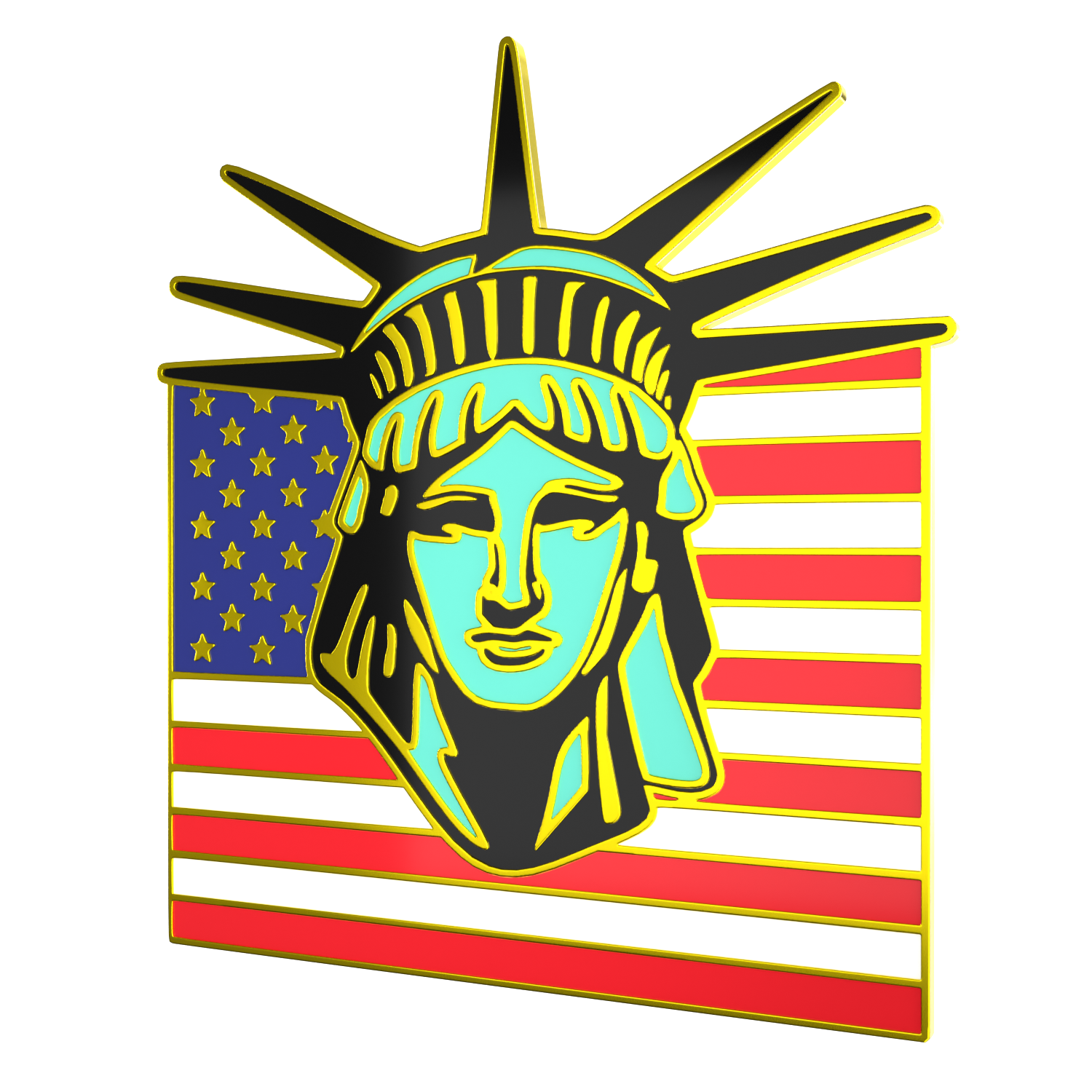
Soft Enamel

A dimensional favorite with raised metal borders and recessed enamel color. The contrast between the polished outlines and the color pockets gives an illustration a distinct, tactile finish.

  • Raised metal outlines define each color area
  • Choose a metal finish to frame your palette
  • Custom outlines can follow the artwork

Choose soft enamel for texture; compare hard enamel when a smooth surface matters more.

Explore soft enamel

Hard Enamel — existing material sample, not a customer endorsement
Enamel & metal

Hard Enamel

Color and metal are finished into a smooth face, giving hard enamel a refined, jewelry-like character. Crisp shapes and a considered palette create an especially polished collectible.

  • Smooth enamel-and-metal surface
  • Polished outlines with a clean, precise appearance
  • A strong fit for simplified color artwork

Choose hard enamel for a smooth finish; soft enamel keeps more visible surface relief.

Explore hard enamel
Die Struck — existing material sample, not a customer endorsement
Enamel & metal

Die Struck

A metal-first approach that uses relief and recessed areas to carry the artwork. Without enamel fill, the finish, light and texture become the visual language.

  • Raised and recessed metal details
  • A restrained, monochrome presentation
  • Finishes can emphasize contrast and depth

Choose die struck for graphic metal relief; compare 3D when rounded sculptural contours are central to the design.

Explore die struck
3D Sculpted — existing material sample, not a customer endorsement
Enamel & metal

3D Sculpted

Sculptural depth gives the surface rounded contours and a different response to light. A 3D pin is useful when the subject needs volume rather than a single raised outline.

  • Modeled relief rather than only flat levels
  • Metal finish reveals the surface contours
  • Construction is adapted to the specific artwork

Compare die struck for a simpler graphic relief. 3D is a construction choice, not a promise to reproduce every detail at every size.

Explore 3d sculpted
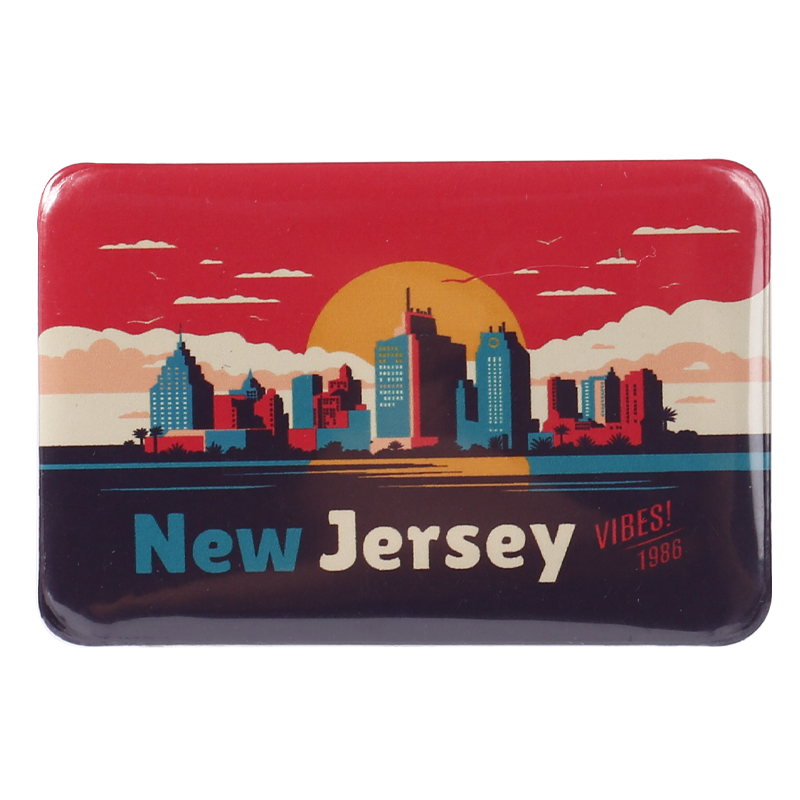
Epoxy — existing material sample, not a customer endorsement
Print & acrylic

Epoxy

A clear domed surface gives printed artwork a glossy, slightly magnified appearance. The printed design and protective-looking clear finish read as one compact object.

  • Clear domed face over the design
  • Printed imagery rather than enamel color pockets
  • Process-specific sizes and finishes

Compare offset printing for a flatter printed look, or enamel when raised metal borders are a key part of the design.

Explore epoxy
Offset Printed — existing material sample, not a customer endorsement
Print & acrylic

Offset Printed

A printed approach for artwork with tonal transitions, small visual details or more colors than a separated enamel design can comfortably carry.

  • Printed detail can carry tonal changes
  • A flatter visual language than recessed enamel
  • Metal and fitting options complete the object

Compare enamel for separated solid colors with metal outlines. Printing is often the clearer starting point for gradients.

Explore offset printed
Acrylic — existing material sample, not a customer endorsement
Print & acrylic

Acrylic

Printed artwork and cut acrylic create a light, expressive pin with a different feel from metal. The color of the acrylic and the selected finish become part of the composition.

  • Acrylic color choices
  • Glossy or frosted finish requests
  • Cut outlines and printed artwork

Choose acrylic for a light printed object; compare enamel for a heavier metal-and-color treatment.

Explore acrylic
Soft PVC — existing material sample, not a customer endorsement
Soft & textile

Soft PVC

Soft PVC uses a flexible molded surface for bold color blocks and tactile shapes. Choose a flatter 2D relief or request a more sculptural 3D construction.

  • Flexible PVC surface
  • Separate 2D and 3D constructions
  • Molded outlines adapted to the artwork

PVC feels different from rigid enamel or acrylic. Select it for the material and relief, rather than expecting a metal finish.

Explore soft pvc
Name Pins — existing material sample, not a customer endorsement
Personal & special

Name Pins

Lettering takes the lead in a name pin. A considered silhouette and metal finish can turn a name or short word into a distinctive wearable detail.

  • A lettering-led design
  • Metal finish and fitting choices
  • Variable names can be recorded in artwork notes

For long text or information-heavy identification, a larger printed format may be more legible than a small sculpted word.

Explore name pins
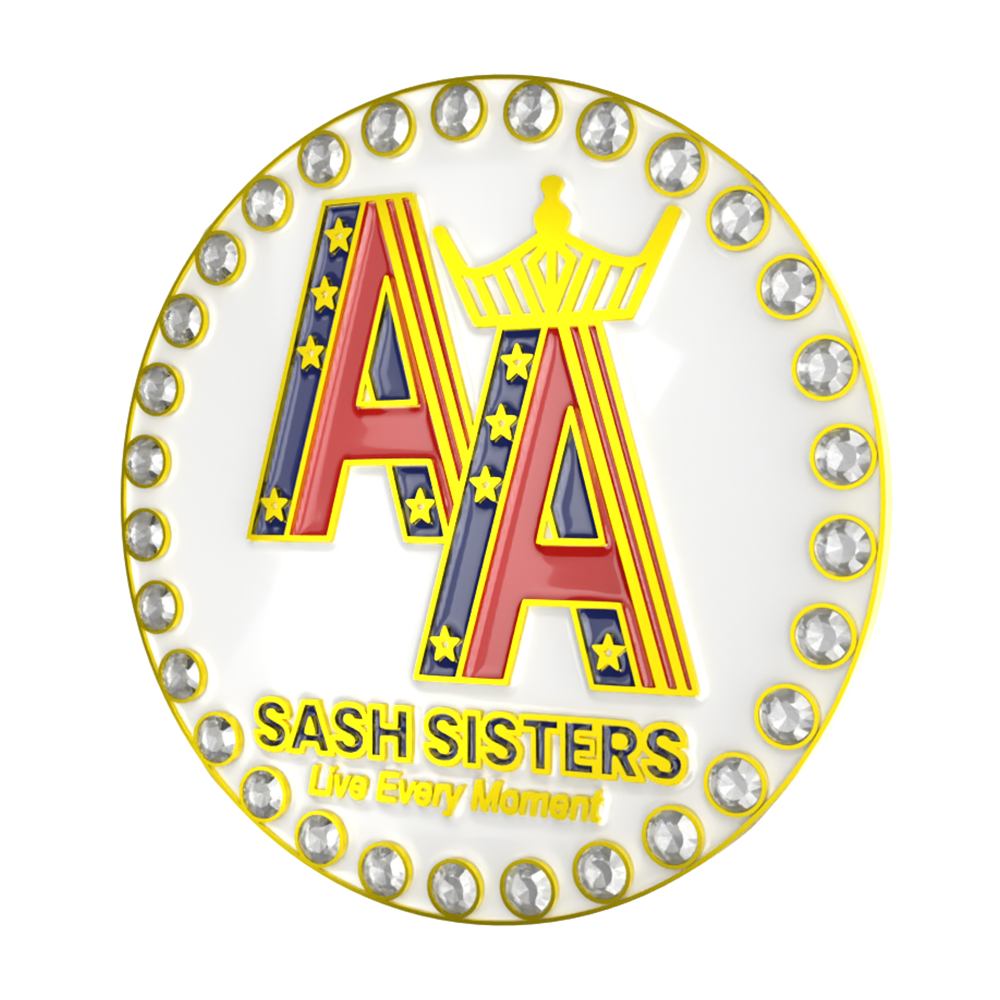
Rhinestone — existing material sample, not a customer endorsement
Personal & special

Rhinestone

Decorative stones introduce points of sparkle alongside the metal design. Placement, stone count and the available space need to work together at the final size.

  • Decorative stone placement
  • Metal details frame the design
  • Construction reviewed around the actual stone layout

Choose rhinestones for discrete points of sparkle; glitter-style effects create a different, broader surface appearance.

Explore rhinestone
Spinner — existing material sample, not a customer endorsement
Motion & light

Spinner

A rotating element adds a small interaction to a layered pin. The stationary base and moving part should read clearly both together and while the design is turning.

  • Rotating component over a base
  • Selectable enamel or metal base process
  • Movement and clearances form part of the specification

Choose a spinner for rotation; use a sliding construction for movement along a track.

Explore spinner
Motion & light

Sliding

A moving part travels along a path, letting a compact design reveal a second pose or position. The track, end points and artwork need to be planned as one mechanism.

  • Sliding component and track
  • Selectable enamel or metal base process
  • Travel distance specified with the artwork

A slider moves along a path; a spinner rotates around a point. Choose the motion that serves the idea.

Explore sliding
Flashing Acrylic — existing material sample, not a customer endorsement
Motion & light

Flashing Acrylic

An acrylic design with a light feature brings a different kind of visibility. The artwork, light position, backing and power arrangement all affect the finished object.

  • Acrylic face with a light feature
  • Process-specific fittings
  • Power and transport details need a clear specification

Compare ordinary acrylic when illumination is unnecessary; a light feature introduces additional construction considerations.

Explore flashing acrylic
Printed Button — existing material sample, not a customer endorsement
Button collection

Printed Button

The familiar printed button format gives a message or illustration a broad, accessible canvas. Shape, size and packing choices work together, especially for event quantities.

  • Printed face with several shape formats
  • Circular and rectangular size choices
  • Packing is a separate specification

Choose a printed button for a graphic badge format; compare enamel or metal for a more sculptural collectible.

Explore printed button
Embroidery Button — existing material sample, not a customer endorsement
Button collection

Embroidery Button

Stitching brings a tactile face to a button-style pin. Thread direction and larger color areas create a different visual rhythm from printed artwork.

  • Embroidered face in a button format
  • Round size choices
  • Stitch interpretation of the artwork

Embroidery emphasizes the stitch texture; woven construction may be a better starting point for finer textile detail.

Explore embroidery button
Motion & light

Light Button

A light-up button combines a message badge with an illuminated feature. Start with the intended appearance, light behavior and quantity rather than assuming one fixed construction.

  • Button format with illumination
  • Custom dimensions captured in the specification
  • Power and construction details kept with the design

Compare a printed button when light is not required, or flashing acrylic for a different face material.

Explore light button
Button collection

Woven Button

A woven textile face creates a flatter thread-based image inside a button format. It is a useful material direction when the artwork calls for fine linework and a fabric character.

  • Woven face
  • Standard or metallic thread request
  • A flatter textile appearance than raised embroidery

Woven emphasizes finer textile detail; embroidery emphasizes raised stitching and chenille emphasizes loft.

Explore woven button
Button collection

Chenille Button

A raised chenille texture gives a button pin a soft, bold presence. It works especially well when the silhouette and major color areas carry the idea.

  • Chenille or combined chenille-and-embroidery request
  • Thread finish choices
  • Button backing choices

Chenille gives the most tactile direction here; compare woven for finer detail or embroidery for defined stitching.

Explore chenille button